

Stroke Recovery at Home: Communication, Independence & Daily Support
Stroke recovery is a deeply personal process. The effects of a stroke — on movement, speech, cognition and daily function — vary enormously from person to person. Recovery at home requires tools that adapt to the individual's specific needs, not a one-size-fits-all approach.
Technology can play a meaningful role in supporting communication, rebuilding routines, maintaining family connection and preserving independence. But only if it is designed around the person's actual experience, not their diagnosis.
COI Orb provides an adaptive workspace where someone recovering from a stroke can choose the tools that help with their specific challenges — today and as their recovery progresses.
What Can Change in Everyday Life
Communication and speech changes
Aphasia, dysarthria and cognitive changes can make speaking, understanding or expressing thoughts difficult. Tools that support alternative communication methods can help bridge those gaps while speech therapy continues.
Motor limitations and accessibility
Weakness or paralysis on one side, fine motor difficulties and fatigue can make standard technology interfaces frustrating. Adaptive controls, larger touch targets and alternative input methods can restore a sense of independence.
Rebuilding daily routines
After a stroke, even familiar routines can feel disorienting. A predictable, gentle daily structure helps the person re-establish a sense of normalcy and control over their day.
Family participation in recovery
Family members often become informal caregivers and rehabilitation partners. Tools that help families coordinate, communicate and participate in the recovery process — without overwhelming the person — can strengthen the support system.
What Can Help
Adaptive interaction and accessibility
Motor-Steady Overlay adjusts interaction targets. Kinetic Echoes offers gesture-based communication. These tools provide multiple pathways for interaction that can evolve as the person's abilities change during recovery.
Communication support
Story Scribe captures spoken words as text, supporting people whose speech has been affected. Combined with visual and voice-based tools, it provides alternative ways to express thoughts and needs.
Routine and orientation
Daily Compass provides a consistent, gentle framework for the day. Sensory Lane offers familiar sensory grounding. Together, they help create a predictable environment that supports cognitive recovery.
Calming environment
Harmony Engine creates personalized soundscapes that can support relaxation and reduce the anxiety that often accompanies stroke recovery.
The Person Comes First
You don't activate a “disease mode.” You choose what helps.
There is no single “right” digital workspace for everyone living with a serious illness. Two people with the same diagnosis can have completely different priorities. One person may want help staying connected with family. Another may want a quieter environment. Another may need larger controls. Another may want to preserve their stories.
COI Orb is designed around that difference.
Adaptive Tools That May Help
Motor-Steady Overlay
Adaptive controls for changing motor needs after stroke.
Kinetic Echoes
Gesture-based interaction for accessibility.
Story Scribe
Voice-based communication and journaling.
Daily Compass
Predictable daily structure and orientation.
Sensory Lane
Familiar sensory grounding and memory support.
Harmony Engine
Calming soundscapes for relaxation and comfort.
Silent Invite Canvas
Caregiver and family coordination.
Build Your Compassion Workspace
Choose what matters to you. Activate the tools you want. Your workspace adapts. Your caregiver sees only what you authorize. Your family stays connected according to your preferences.
Frequently Asked Questions
Can technology help with stroke recovery at home?
+
Technology can support communication, accessibility, daily routines and family connection during recovery. The appropriate tools depend on the person's specific needs, which vary widely after a stroke.
Does COI Orb replace speech therapy?
+
No. COI Orb provides supplementary communication and comfort tools. Professional speech-language therapy remains essential for stroke recovery.
Can the workspace change as recovery progresses?
+
Yes. The adaptive workspace is designed to evolve. Tools can be added, adjusted or replaced as the person's abilities and needs change.
Trusted Resources
Heart & Stroke Foundation of Canada
Stroke recovery resources, support programs and education for stroke survivors and families.
World Health Organization
Palliative-care framework and global guidance on quality of life for people with serious illness.
Canadian Hospice Palliative Care Association
National advocacy, education and resources for hospice and palliative care in Canada.
Related Conditions
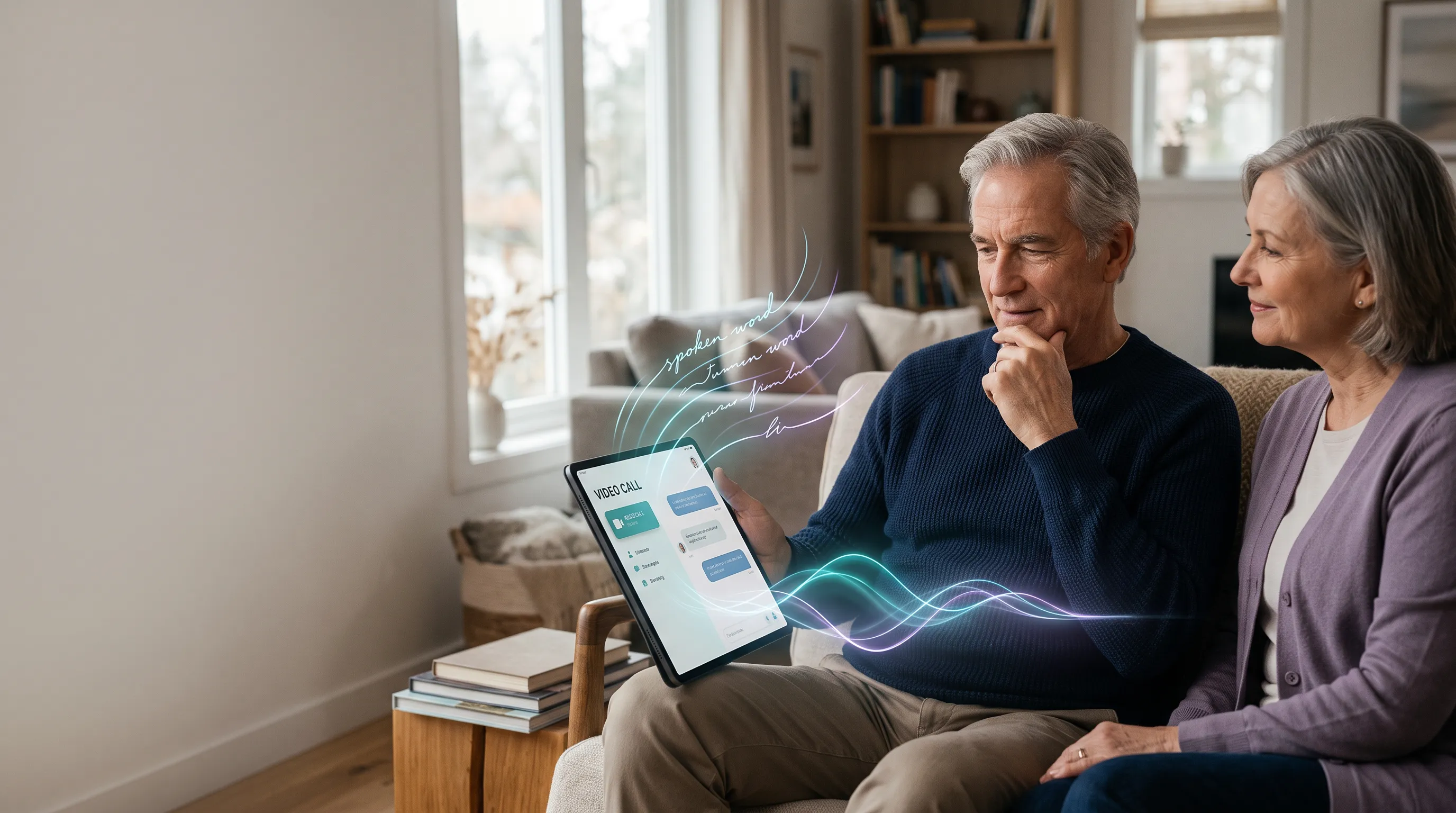
Living With ALS: Communication, Independence & Connection
Explore adaptive communication, accessibility, family connection and personalized digital support fo...
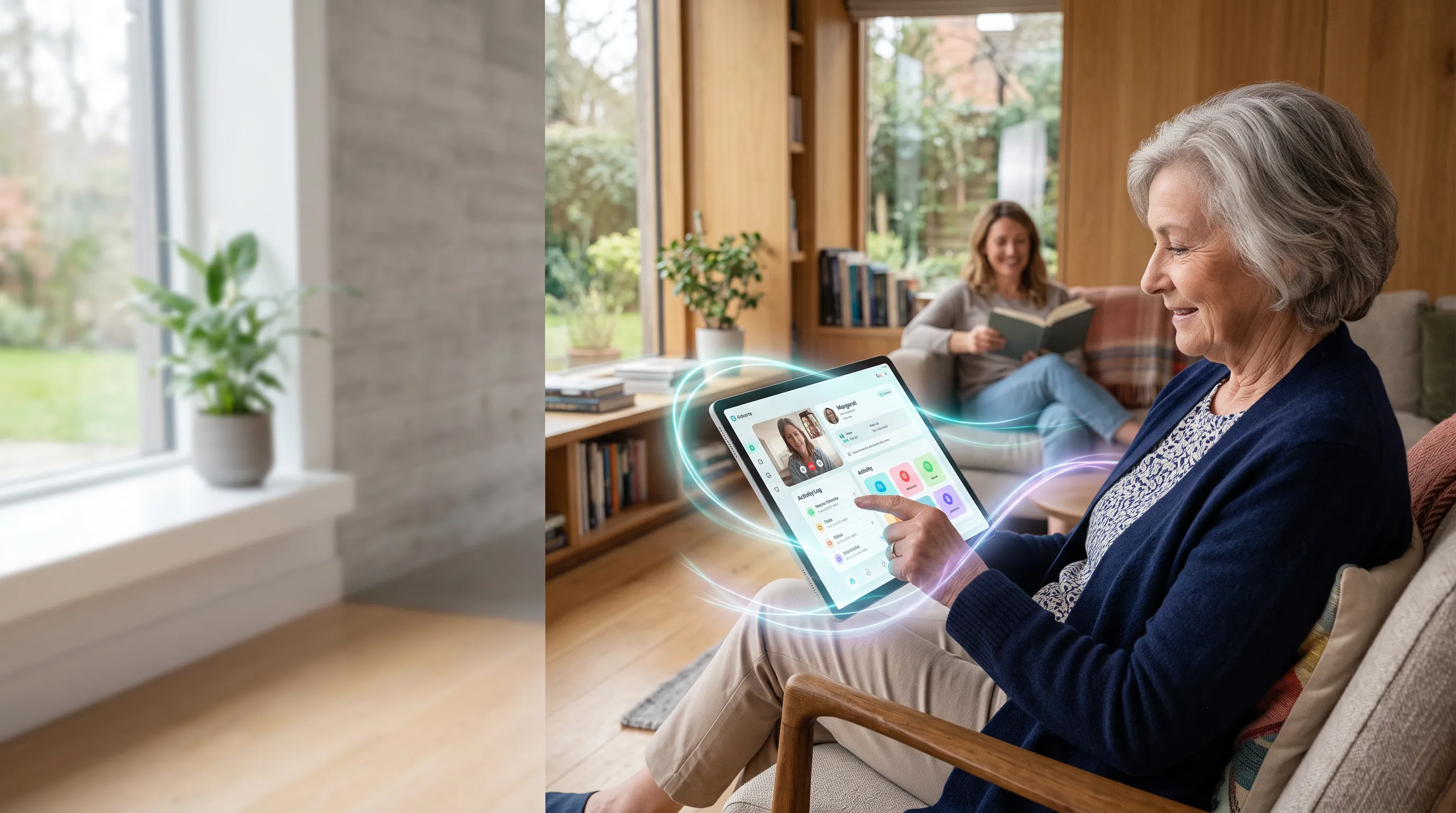
Living With Parkinson's: Independence, Communication & Connection
Explore personalized ways to support communication, independence, routines, accessibility and connec...
COI Orb provides adaptive comfort, communication and daily-support tools. It does not diagnose, treat or cure any medical condition. Always consult qualified healthcare professionals for medical advice, diagnosis and treatment.